

Every summer the same doubt comes back. Should you take off your jewellery before going into the sea? Does silver get damaged by water? Do ‘waterproof’ jewels really withstand everything?
Amid contradictory advice, it can be hard to know what actually happens when a silver jewel comes into contact with seawater, chlorine, sweat or even sunscreen. And the reality is far more nuanced than it seems.
Because yes, 925 sterling silver can get wet. But that doesn’t mean all contexts have the same effect, or that any type of exposure has the same consequences for the piece.
The key is not so much about completely avoiding water, but about understanding which factors truly influence wear and which care habits help keep the piece in good condition for much longer. We explain it all below.
What happens when silver comes into contact with seawater
Seawater is one of the most demanding environments for any jewel, including 925 sterling silver.
The combination of salt, humidity, sand and prolonged exposure can accelerate the loss of shine and encourage the appearance of small surface changes over time. It doesn’t mean the piece will be ruined immediately from one day at the sea, but frequent exposure without proper care can progressively affect its appearance.
What’s more, the problem is often not just the seawater itself, but everything that comes with it. Sand creates small friction on the surface of the jewel, while salty moisture can remain trapped if the piece is not rinsed and dried properly afterwards.
For this reason, although 925 silver can occasionally get wet in the sea, it is best to avoid prolonged or repeated exposure without subsequent maintenance.
Rinsing the jewel with fresh water and drying it well after the beach goes a long way towards preserving its shine and finish over time.
Which types of jewellery can suffer most from contact with the sea and sand
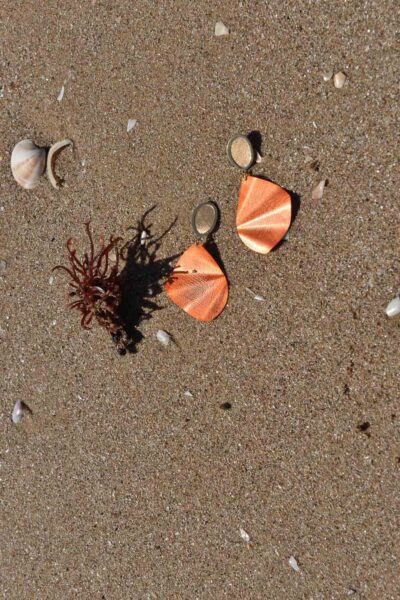
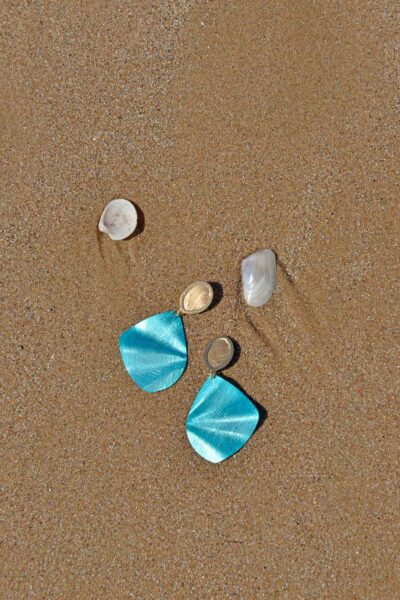
Not all jewels react the same way to frequent contact with the sea. Pieces most exposed to friction, such as fine chains or jewels with a lot of movement, tend to show wear caused by sand or continuous rubbing in certain areas sooner.
Special attention should also be paid to jewels with gold or rhodium plating. These finishes help protect and embellish the piece, but constant exposure to salt, moisture or sand can accelerate their natural wear over time.
In designs with cubic zirconia, natural stones or pearls, the build-up of residue, sunscreen or salt can affect the shine and cause the piece to lose part of its original appearance if not cleaned properly afterwards.
On the other hand, simpler and more compact pieces — such as some plain hoops or silver jewels with fewer ornamental elements — tend to tolerate this type of occasional exposure better and require less delicate maintenance.
This does not mean you should always remove jewellery before entering the sea, but it is worth understanding that certain pieces, due to their materials or finishes, require a little more attention and care.
The real problem is often not the seawater
When a jewel loses its shine in summer, seawater is not always the main culprit.
In many cases, what affects silver the most is the residue that remains on the piece after swimming. Sunscreens, creams, perfumes, sweat or even traces of salt and chlorine can build up on the surface and progressively alter the appearance of the jewel if not properly removed.
This is especially visible in chains, clasps, settings or textured areas, where this type of residue tends to accumulate more easily, dulling the natural shine of the silver and creating a feeling of dirt or premature wear.
During summer, this exposure is usually far more continuous. The combination of heat, humidity, sweat and cosmetic products means jewels remain in contact with elements that can affect their appearance over time for much longer periods.
Cuando una joya pierde brillo en verano, el agua de mar no siempre es la principal responsable.
How to care for silver jewellery after getting it wet in the sea or pool
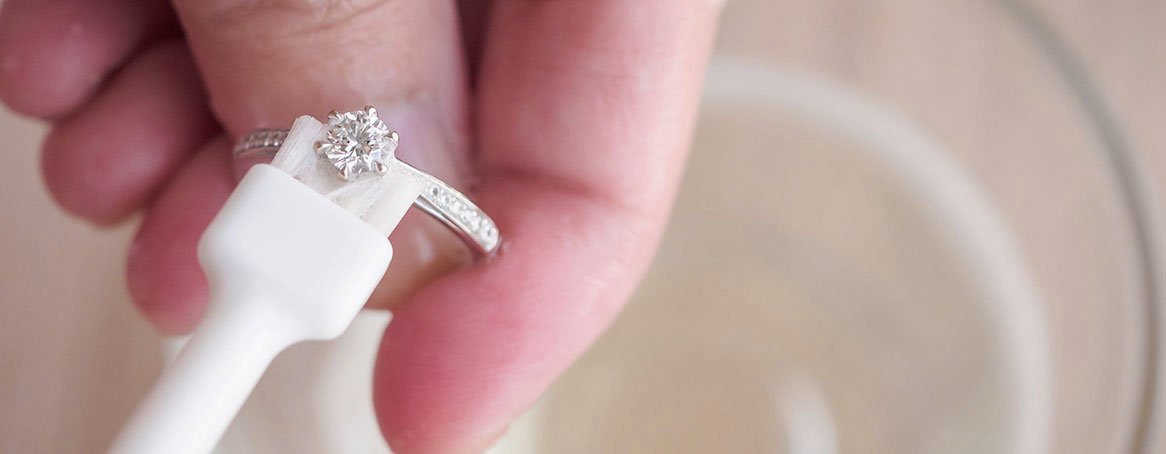
Post-exposure maintenance after the jewel has been in water is one of the key factors that most influences how a silver jewel ages during summer. We recommend following these tips every time you wear it at the beach or pool:
- Rinse the jewel with fresh water afterwards to remove traces of salt, chlorine, sand or cosmetic products.
- Dry it well before storing it, preferably with a soft microfibre or cotton cloth, paying special attention to areas such as clasps, chains, settings or small crevices where moisture can linger.
- Avoid storing jewels while still damp or mixed with other pieces straight after returning from the beach or pool.
- Pay special attention to designs with pearls, natural stones or cubic zirconia, as these tend to be more sensitive to residue build-up or continuous friction.
If you would like to learn more about cleaning and caring for silver jewellery, in this article we explain how to clean silver jewellery at home without damaging it.
Silver behaves very differently in thermal waters
Not all water affects silver jewellery in the same way. In some natural thermal waters — especially those with a high sulphur content or certain minerals — silver can darken much more quickly than usual. This happens because certain compounds react directly with the surface of the metal, accelerating the oxidation process.
For this reason, in these types of environments it is advisable to remove jewellery before bathing, especially pieces with rhodium or gold plating, pearls, natural stones or delicate finishes.
Although in most cases this darkening can be cleaned afterwards, repeated exposure can eventually affect the finish and shine of the piece over time.
What to do if the jewel does not recover its usual appearance after cleaning at home
There are times when a home clean is not enough to fully restore the shine or original finish of a silver jewel.
In this situation, the most advisable course of action is to visit a specialist workshop for a professional restoration of the piece. A proper clean, a check of clasps or settings and, in some cases, replating can help the jewel recover an appearance much closer to its original state.
For Salvatore Plata jewels, you can visit any of our authorised distributors to request this service. You can find your nearest point of sale through our store locator.
Not all silver jewels age the same way
How a jewel responds to water, humidity or continuous use also depends greatly on its quality and how it has been made.
Not all silver jewellery uses the same materials, finishes or processes, and this directly influences its durability and how well it maintains its appearance over time.
At Salvatore Plata, all jewels are made from 925 sterling silver and many incorporate gold or rhodium plating that helps protect the piece and better preserve its shine and finish with daily use.
This is complemented by special care in manufacturing and quality control. The silver jewels carry the registered hallmark of the Spanish Patent and Trademark Office (OEPM) and the quality guarantee of the official laboratory AIDIMME, certifying both the quality of the materials and the safety of the pieces.
In addition, all jewels come with a 2-year guarantee from the date of purchase, provided they have been used appropriately.
Because, although any jewel requires certain care, choosing quality materials and good finishes also makes a significant difference in how a piece ages over time
Discover Salvatore Plata’s silver jewellery collections
With over 30 years of history, Salvatore Plata develops its collections from Spain, combining design, trend and quality materials in jewels made to accompany you for a long time.
Earrings, rings, necklaces, bracelets and more special pieces crafted in 925 sterling silver and finished with gold or rhodium plating form part of collections where attention to detail and durability are an essential part of every design.
If you would like to discover our silver jewellery collections, you can do so through our website and browse the different proposals available.
Salvatore Plata jewels are available exclusively through authorised distributors, both in physical stores and online channels, with a presence in Spain and numerous countries.