

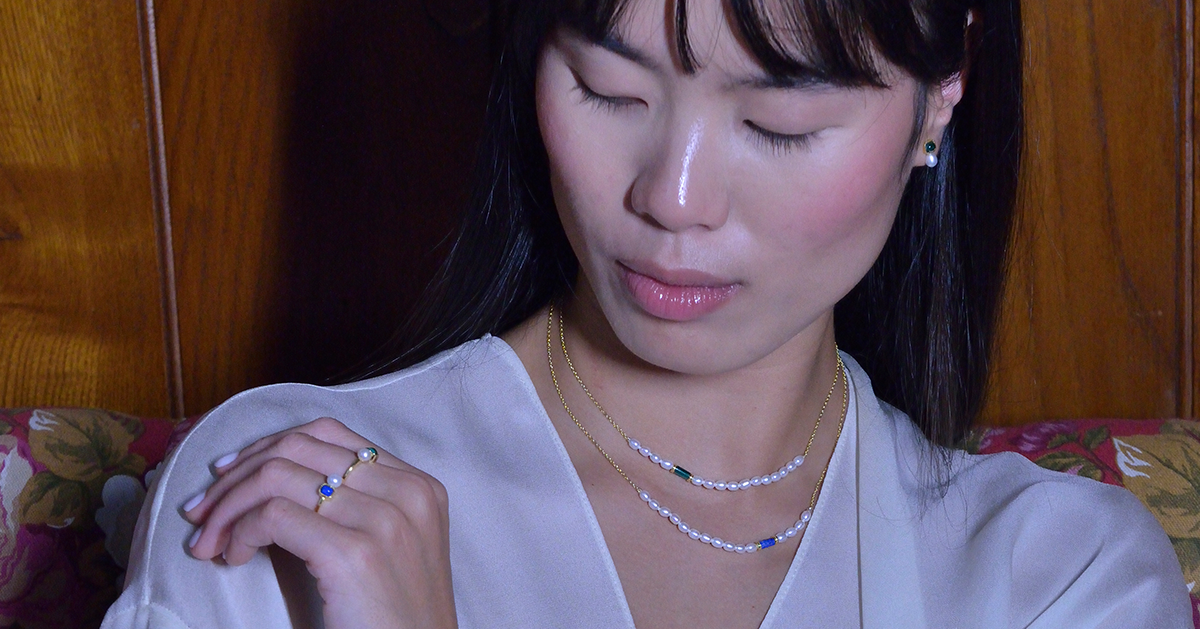
Pearl necklaces are one of those pieces of jewellery that never go out of style. Elegant, timeless and easy to wear, they often become treasured pieces with great sentimental value, worn for years. However, they are also among the pieces that raise the most questions when it comes to cleaning. Can they get wet? Is it safe to use soap? What should you do if the pearls start to turn yellow?
The truth is that pearls need special care. Unlike other silver jewellery, their surface is much more delicate, and unsuitable products or overly harsh cleaning can cause them to lose their natural lustre irreversibly.
In this guide, you’ll discover how to clean a pearl necklace step by step, which mistakes to avoid, how to store it properly, and what to do if, over time, the pearls lose their lustre or develop a yellowish tint. These recommendations draw on professional jewellery care practices to help keep your piece in excellent condition for many years.
What Type Of Pearls Are In Your Necklace, And Why Does It Matter?
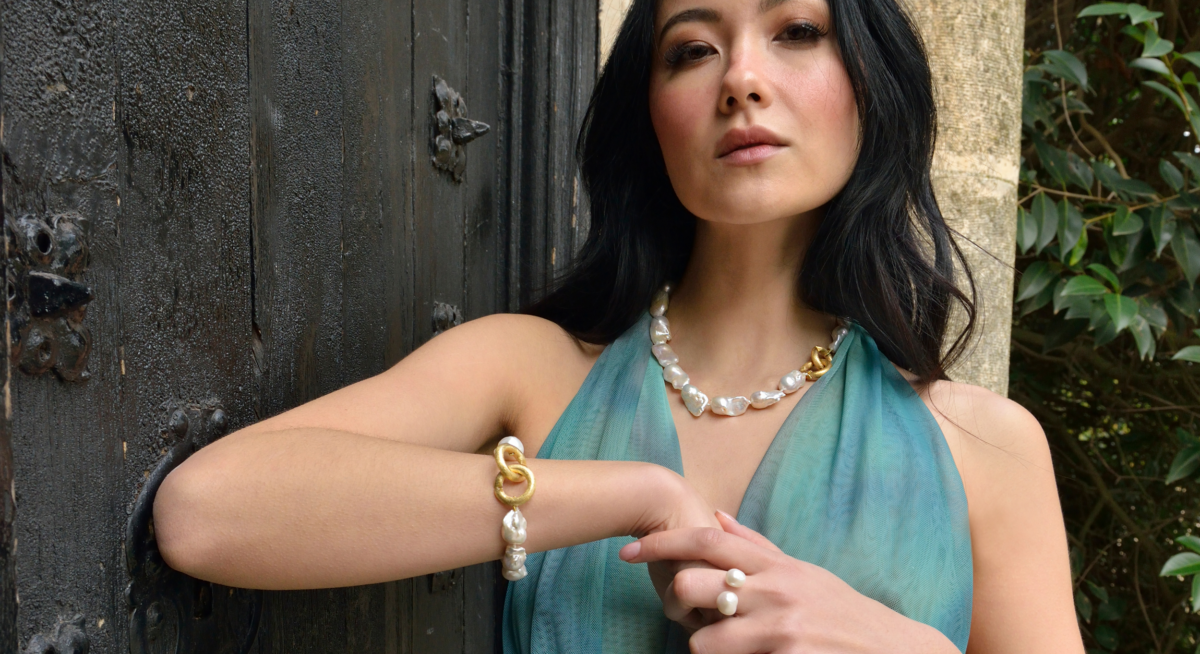
Before explaining how to clean a pearl necklace, it is worth identifying the type of pearls it contains. Although the basic care guidelines are similar, understanding their characteristics will help you look after your jewellery and explain why it needs different maintenance from other pieces.
The best-known varieties include Akoya pearls, cultivated in saltwater and prized for their almost perfectly round shape and intense lustre, and freshwater cultured pearls, which stand out for their wide range of shapes, sizes and colours. Akoya pearls generally command higher prices because production is more limited, while freshwater pearls offer an excellent balance of beauty, quality and versatility, making them a popular choice in contemporary jewellery.
At Salvatore Plata, we work with freshwater cultured pearls selected for their natural beauty and suitability for everyday wear. Many of our collections also feature baroque pearls, recognised for their irregular, one-of-a-kind shapes. Rather than being considered a flaw, this individuality is one of their greatest attractions: each pearl is unique, giving every piece of jewellery a more organic and distinctive character.
Regardless of their type, all pearls share one essential characteristic: they are organic gems. This means their surface is more delicate than that of other jewellery materials and may be affected by chemicals, perfumes, cosmetics or unsuitable cleaning methods. Always use gentle techniques that respect their natural lustre and help preserve their beauty over time.
How To Clean A Pearl Necklace Step By Step
“The best way to clean a pearl necklace is, in fact, to prevent it from becoming too dirty in the first place.”
Keeping a pearl necklace clean generally does not require specialist products or complicated techniques. In fact, the gentler the cleaning, the better the pearls’ surface will be preserved. The key is to remove sweat, make-up, perfume and dust before they build up and affect the pearls’ natural lustre.
1. Daily Care: The Best Habit For Preserving Pearls
After each wear, gently wipe the entire surface of the pearls with a clean, soft cloth. This simple step helps remove residue the jewellery may have picked up during the day, including cosmetics, creams and the skin’s natural oils.
There is no need to rub hard. Simply glide the cloth gently over each pearl to keep it clean and preserve its lustre.
2. A Deeper Clean When Your Necklace Needs It
If you have not cleaned the necklace for a while, or it seems to have lost some of its brightness, you can give it a more thorough clean.
Fill a bowl with lukewarm water and add a few drops of mild, neutral soap. Lightly dampen a soft cloth or a clean cotton pad without soaking it, then gently wipe each pearl.
When you are finished, remove any soap residue with another cloth lightly dampened with plain water. Carefully dry the necklace with a clean towel or a dry, lint-free cloth.
Before storing it, leave it to air-dry completely for a few minute
Common Mistakes When Cleaning A Pearl Necklace
Knowing what to avoid is just as important as knowing how to clean a pearl necklace. In an attempt to restore their shine, people sometimes use products or methods intended for other jewellery, which can irreversibly damage the pearls’ surface.
Here are some of the most common mistakes:
-
Using chemicals or abrasive cleaners
Do not clean pearls with silver-cleaning products, multipurpose cleaners or substances such as alcohol, bleach, ammonia or vinegar. Home remedies such as baking soda and toothpaste should also be avoided.
These products can damage the pearl’s outer layer and strip away its characteristic silky lustre.
-
Rubbing too hard
Unlike other gemstones, pearls do not need vigorous cleaning. Hard brushes, scouring pads or excessive pressure from a cloth can cause tiny abrasions that dull the jewellery over time.
Always clean pearls with gentle movements and a clean, soft cloth.
-
Soaking the necklace for too long
Aunque el contacto puntual con agua tibia forma parte de una limpieza segura, no conviene dejar el collar en remojo durante largos periodos.
Además de afectar a las propias perlas, la humedad prolongada puede deteriorar el hilo que las une, favoreciendo su desgaste con el paso del tiempo.
-
Applying perfume or cosmetics directly to pearls
Perfumes, hairsprays, creams and make-up contain ingredients that can build up on the pearls’ surface and gradually affect their natural lustre.
That is why jewellery experts follow a simple rule: pearls should be the last jewellery you put on and the first you take off. This minimises contact with cosmetics and other substances that could damage them.
-
Using ultrasonic cleaners
Ultrasonic cleaners are effective for certain types of jewellery, but they are not recommended for pearl necklaces. Their vibrations can affect both the pearl surface and the material holding the pearls together, particularly in older pieces.If your necklace needs a more thorough clean or shows signs of wear, it is best to consult a professional.
Pay Special Attention To Your Pearl Necklace Design
The cleaning method is generally the same for all pearl necklaces, but certain designs require extra attention to keep them in excellent condition.
-
Baroque pearl necklaces
Las perlas barrocas destacan por sus formas orgánicas e irregulares. Precisamente esos pequeños pliegues y recovecos pueden acumular con mayor facilidad restos de maquillaje, polvo o cosméticos que una perla completamente redonda.
Por ello, conviene revisar estas zonas durante la limpieza para asegurarse de que no queda suciedad acumulada. No es necesario utilizar productos diferentes, sino simplemente dedicar unos segundos más a limpiar con delicadeza toda la superficie de cada perla.
-
Necklaces combining pearls with silver or gold plating
Muchos diseños actuales combinan las perlas con elementos de plata de ley, baño de oro o pequeñas circonitas o piedras naturales. En estos casos, es recomendable evitar el uso de limpiadores específicos para metales sobre las propias perlas, ya que podrían deteriorar su superficie.
Si la parte metálica necesita una limpieza más profunda, lo ideal es tratar cada material siguiendo las recomendaciones específicas para cada uno. En nuestro blog encontrarás una guía sobre cómo limpiar joyas de plata en casa sin dañarlas, con consejos específicos para conservar el brillo de la plata sin comprometer otros materiales de la joya.
-
Cleaning is also an opportunity to check your jewellery
Whenever you clean your necklace, take a moment to inspect it carefully. Check that the clasp works properly, that the pearls are securely attached and that the other components show no signs of wear. Regular checks can help you spot small issues before they affect the necklace’s condition.
What If The Pearls Still Look Yellow After Cleaning?
If the pearls still have a yellowish tint after gentle cleaning with lukewarm water, mild soap and a soft cloth, do not try stronger products or home remedies to whiten them.
In many cases, the colour change is not caused by dirt, but by the natural ageing of the pearl or prolonged exposure to sunlight, heat or certain chemicals. Using vinegar, baking soda, toothpaste, bleach or other abrasive cleaners will not solve the problem and may irreversibly damage the pearl’s surface, causing it to lose its natural lustre.
If the necklace has regained some of its brightness but still has dull patches or dirt build-up in certain areas, it may need specialist cleaning or a general inspection.
In these cases, it is best to consult a professional. At Salvatore Plata, jewellery servicing can be arranged through our network of official retailers. They can assess the necklace, determine whether professional cleaning is needed and check that all its components are in good condition before you wear it again.
Why Proper Storage Matters For A Pearl Necklace
Cleaning is only one part of caring for a pearl necklace. How you store it between wears also has a direct impact on its condition and its ability to retain its natural lustre over time.
After cleaning, always make sure the necklace is completely dry before putting it away. Ideally, store it in a fabric pouch or a jewellery box with a soft lining to protect it from dust and prevent direct contact with other pieces. This reduces friction that could scratch the pearls, metal components or any cubic zirconia stones in the design.
Avoid airtight bags or completely sealed containers for long periods. Pearls are organic gems and benefit from being stored in a dry environment with normal ventilation, away from heat sources, sudden temperature changes and excessive humidity.
Simple habits—storing the necklace clean, completely dry and protected from other jewellery—will help preserve its appearance and lustre for many years.
Discover Salvatore Plata Freshwater Cultured Pearl Collections
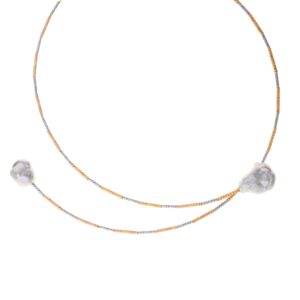
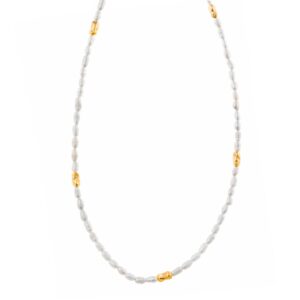
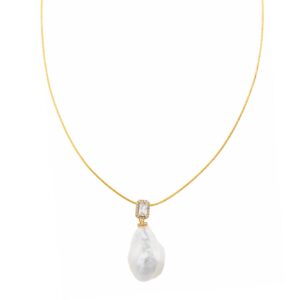
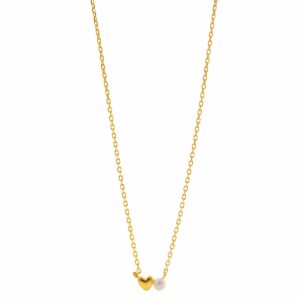
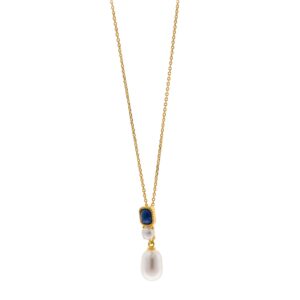
Freshwater cultured pearls are prized for their natural beauty, versatility and the individual character of each pearl. From minimalist designs to pieces featuring organic-shaped baroque pearls, they can be worn every day or on special occasions.
At Salvatore Plata, you will find several collections featuring these pearls, including:
- HELENICA, inspired by nature’s irregular forms and the unique character of baroque pearls
-
- MINIJEWELS, where pearls meet contemporary details to create elegant, versatile designs.
-
- HÉRITIÈRE, a collection combining freshwater cultured pearls with other natural stones to create distinctive jewellery full of personality.
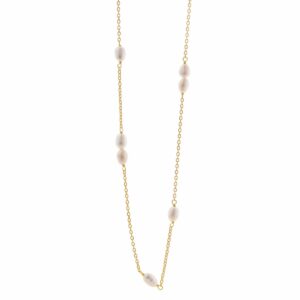
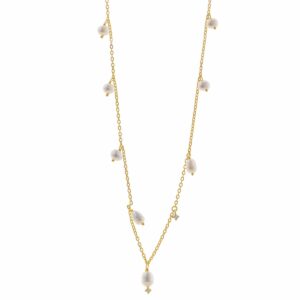
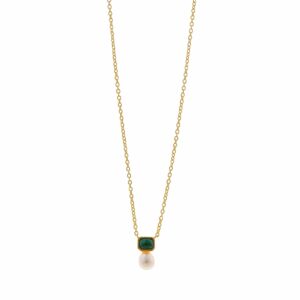
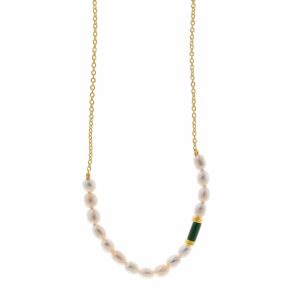
Discover these and other collections through Salvatore Plata’s network of official retailers. On our website, you can find both our physical-store locator and our authorised online jeweller locator, where you can receive expert advice and the assurance of purchasing an authentic Salvatore Plata piece. If you are based in Valencia and your jewellery needs some attention, or you would like personalised advice, we invite you to visit Salvatore Plata official showroom.