

There’s a question many people quietly ask themselves when holding a piece of jewelry: is it really 925 silver?
You may have inherited it, bought it while traveling, or simply want to be sure that what you’re wearing is genuine silver and not just an imitation. In a market full of plating, alloys, and pieces that perfectly mimic the look of sterling silver, this doubt is completely valid.
Recognizing silver is not always as obvious as it seems. Shine can be misleading, weight can be deceptive, and not all the methods circulating online are reliable. However, there are clear signs, indicative tests, and above all, truly reliable ways to verify the purity of the metal.
Before trusting any home test, it’s important to understand what it really means for a piece of jewelry to be 925 silver and what criteria allow you to identify it accurately.
What it means for a piece of jewelry to be 925 silver
When we talk about 925 silver or sterling silver, we refer to a specific proportion in the metal’s composition. Silver is a precious metal, but in its pure form (99.9% purity, known as fine silver or 999), it is too soft to create durable jewelry for everyday use.
That’s why an alloy is used: 925 parts silver and 75 parts other metals that provide strength and stability. This proportion gives sterling silver its name and represents the internationally recognized standard that balances quality, durability, and material value.
It’s important to understand that 925 silver does not mean “silver-plated.” It means the piece is made of genuine silver throughout its structure. The difference between solid sterling silver and a simple surface coating is essential when determining authenticity.
If you’d like to learn more about what this standard exactly means and how it is certified, you can read our article on what 925 silver or sterling silver means, where we explain it in detail.
The 925 stamp and official hallmarking: how to read them
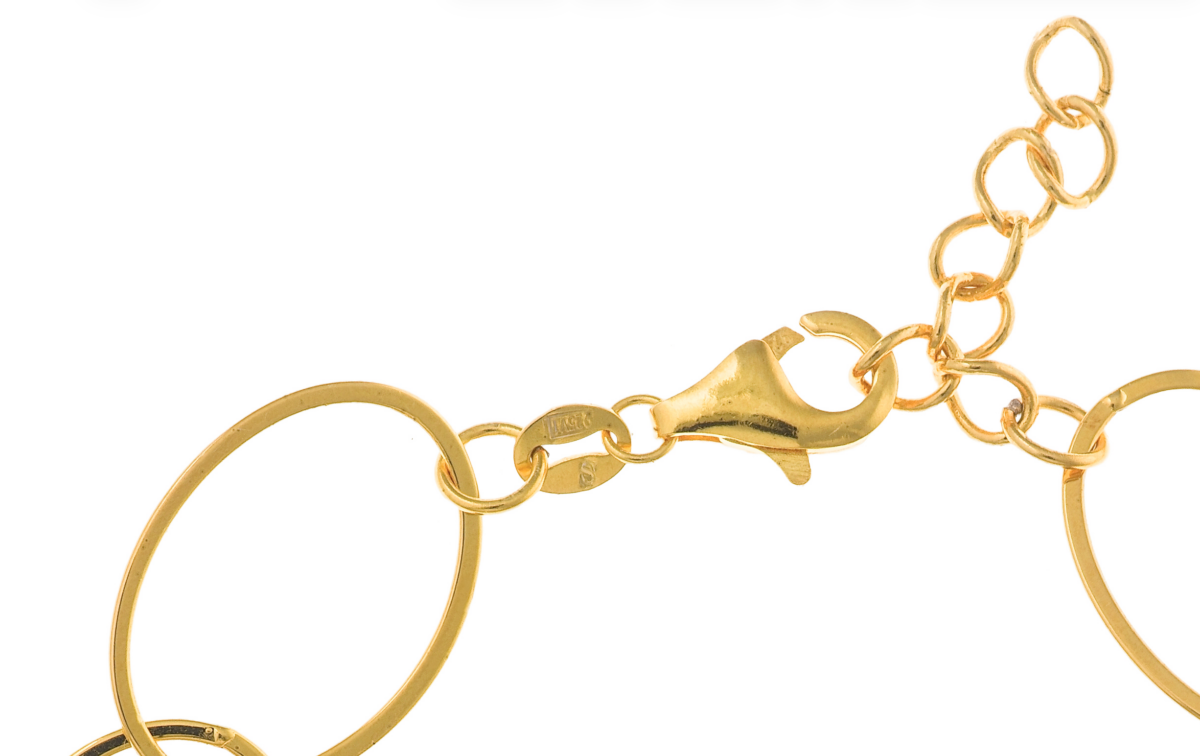
If you want to know whether a piece is 925 silver, the first thing to look for is the hallmark engraved on it.
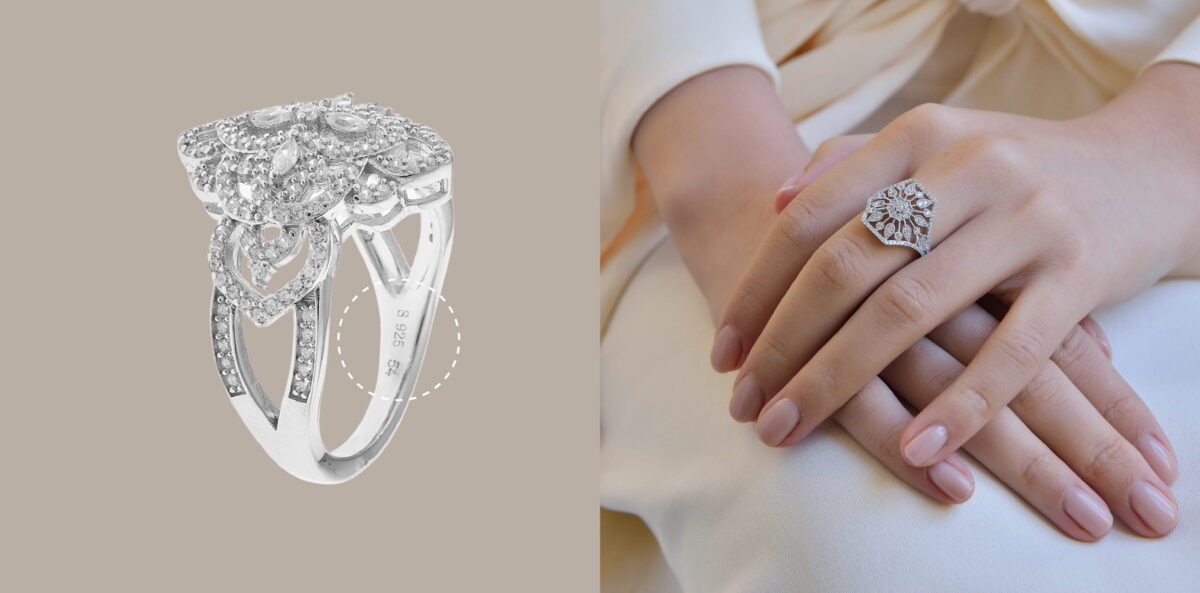
The number “925” indicates that the piece contains 92.5% silver. It is usually found in discreet areas such as the inside of a ring, the clasp of a bracelet, or the back of a pendant.
However, the number alone is not an absolute guarantee. Some pieces carry stamps without actually meeting the stated purity.
That’s why it’s important to distinguish between a simple mark and an official hallmark. In Spain, sterling silver pieces must include:
- A responsibility mark identifying the manufacturer or importer, registered with the Spanish Patent and Trademark Office (OEPM).
- A guarantee mark applied by an official laboratory after testing the metal’s purity.
These hallmarks usually appear as small stamps or symbols. When a piece includes an official assay mark, it means it has been tested according to regulations, providing objective verification beyond the visible engraving.
Magnet test: can it help identify silver?
One of the most well-known checks is the magnet test. The idea is simple: silver is not magnetic.
If you place a strong magnet near a piece and it strongly attracts, it is very likely not sterling silver.
However, it’s important to clarify that a lack of magnetic reaction does not automatically confirm authenticity. Other non-magnetic metals can also be used in imitations.
So, this test can help rule out obvious fakes, but it is not a definitive method.
Ice test: does silver melt ice faster?
Another popular test is the ice test, based on a physical property: silver is an excellent thermal conductor.
If you place an ice cube on real silver, it tends to melt faster than usual due to this high conductivity.
However, this test is only indicative. Other metals also conduct heat, and factors like room temperature or thickness can affect the result. It may raise suspicion but cannot confirm authenticity.
Difference between real 925 silver and silver-plated jewelry
Not everything that looks silver is sterling silver. One of the most common confusions is between solid silver and silver-plated pieces.
A 925 silver piece is made of that composition throughout its structure. A silver-plated piece, on the other hand, is made of a base metal coated with a thin layer of silver.
This difference is both technical and practical. Solid silver allows polishing and long-term maintenance without losing its nature. In plated jewelry, once the coating wears off, the underlying metal becomes visible.
Visually, both may look similar at first. That’s why identifying silver should not rely solely on appearance, but on composition and official hallmarking.
Other unreliable tests to identify 925 silver jewelry
When trying to determine whether a piece is 925 silver, it is easy to find simple but unreliable methods.
One is judging weight “by feel”. Although silver is relatively dense, weight alone cannot determine purity, as design, thickness, or hollow structures can affect perception.
Another belief is that silver has a distinctive smell. In reality, genuine silver has no smell. A metallic odor may indicate other materials, but lack of smell does not confirm authenticity.
Sound tests (tapping the piece) are also unreliable due to too many variables.
Even color can be misleading, as many alloys and coatings closely imitate real silver.
In short, none of these methods can reliably confirm authenticity. They may raise doubts, but they do not replace real verification.
The only truly reliable way to verify metal purity
Home tests may help identify obvious imitations, but they do not provide certainty.
The only conclusive verification is an official precious metals laboratory analysis. Through standardized testing, the metal composition is checked and the guarantee hallmark is applied when it meets sterling silver standards.
Therefore, the safest way to recognize real silver is not by isolated signs, but by trusting pieces with official hallmarking and certified traceability.
It is important to note that in small or delicate jewelry pieces, the 925 mark may not always be visibly engraved. However, this does not mean a lack of certification.
At Salvatore Plata, all pieces are tested and certified as 925 sterling silver and include labeling with the corresponding hallmark guaranteeing authenticity.
Frequently asked questions about 925 silver
When doubts arise about whether a piece is made of genuine silver, very specific questions often appear that are not always clearly answered. These are some of the most common ones.
-
Can 925 silver darken even if it is authentic?
Yes. If a piece of jewelry darkens, it does not mean it is not sterling silver. Silver is a metal that can react with sulfur present in the environment, causing tarnishing. This process is superficial and reversible with proper cleaning.
We invite you to learn more about this topic in the article “Why silver jewelry turns black if it doesn’t have proper protection.”
-
Can 925 silver cause allergies?
La plata de ley 925 suele ser bien tolerada. Al tratarse de una aleación, incorpora un pequeño porcentaje de otros metales que aportan resistencia, pero en piezas fabricadas conforme a normativa no deberían utilizarse metales tóxicos. Por eso es importante adquirir joyas con contraste oficial y control de calidad.
-
Is 925 silver the same as sterling silver?
925 sterling silver is generally well tolerated. As it is an alloy, it contains a small percentage of other metals that provide strength, but in pieces manufactured according to regulations, no toxic metals should be used. That is why it is important to purchase jewelry with official hallmarks and quality control.
-
Do silver jewelry pieces always come with a certificate?
In Spain, sterling silver jewelry must include the corresponding hallmark that certifies its purity. Although a paper certificate is not always provided, the seller must be able to prove the authenticity of the metal through official hallmarks and traceability.
In specialized brands, in addition to the hallmark engraved on the piece, a commercial guarantee is offered that supports the product’s quality. If you have any doubts, you can always request information about the origin, the laboratory that has verified the metal’s purity, and the applicable warranty policy.
-
Are antique pieces always real silver?
No. Some may be plated or imitation. Only professional analysis or hallmark verification can confirm authenticity.
Authenticity guarantee at Salvatore Plata
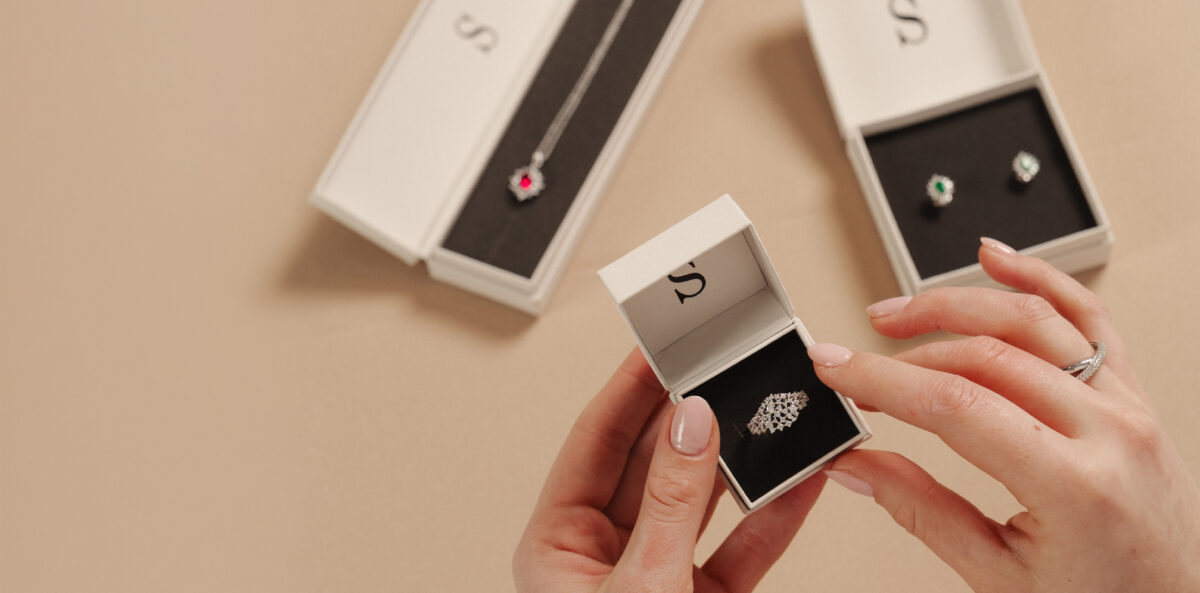
At Salvatore Plata, authenticity is not based solely on a stamped number but on a full process of control and traceability.
Each sterling silver piece includes our responsibility hallmark registered with OEPM and the guarantee hallmark issued by the official AIDIMME laboratory. This ensures verified composition according to current regulations.
In collaboration with AIDIMME, we also ensure the absence of toxic metals, guaranteeing safe and suitable jewelry for everyday use.
Because recognizing silver should not rely on interpretation, but on verifiable guarantees and real technical control.